Planning for the PCT: VVR's Guide to Getting Started
From the dream to the trail! VVR's guide to planning for the PCT walks you through the essentials for a safe journey.

The Pacific Crest Trail (PCT) calls to people from every walk of life. Maybe it’s the promise of solitude on a desert playa, or the enormous vistas found in the Sierra. Whatever your reason, the act of walking from Mexico to Canada is a journey for the mind, body, and soul. And planning for the PCT is the first obstacle to overcome.
Each year, thousands of ambitious people like you lace up their boots to tackle this trail, chasing something wild and elusive. While no blog post can capture every detail of preparation, consider this your fireside primer. An easy introduction to the essentials of the trail, shared from the heart of PCT country.
The Second Oldest Trail
Twisting and turning through over 2,600 miles of wilderness, the Pacific Crest Trail was first envisioned by Clinton Clarke in 1932. This was about 11 years after the Appalachian Trail was proposed. The idea was to connect existing trails like the JMT and Oregon's Skyline Trail into one continuous journey.
Between 1935 and 1938, groups from the YMCA laid the groundwork for the PCT, hiking and mapping out much of the trail. But it wasn't until 1993 that this iconic trail was officially completed.
Now, this footpath that stretches through California, Oregon, and Washington has become a symbol of the American West. Offering those brave enough to travel it some of the most unforgettable views and experiences.
Planning Your PCT Start Date
Your start date will depend on several things, like your skill level, the weather, your gear, and if you're going Northbound (NOBO) or Southbound (SOBO) on the trail.
Northbound on the PCT
Most PCT hikers travel NOBO and begin their journey in April or May, trying to beat the desert heat and avoid the Sierra snow. Starting during this window means you'll run into more fellow hikers during your journey. If you're planning to hike the PCT Northbound, you'll need to apply for your permit in the fall (i.e., for an April 2026 start date, apply in November 2025).
Taking the Southbound Route
If you're more of a solo hiker, southbound on the PCT is the way to go. Permits for SOBO hikes begin as early as June 15th, but the majority of hikers start between June 20th and July 10th. This is when most of the snow has usually melted in the North Cascades, so hikers can avoid navigating dangerous, freezing conditions. If this is your route, plan to apply during the January application period.
PCT Thru-Hike Permits
Issued by the Pacific Crest Trail Association, a thru-hiker permit is required for anyone traveling 500 or more continuous miles on the PCT. The application process opens in two waves, usually in November and January, but you're required to register before applications open up. If you're planning to apply for a popular start date/trailhead, be prepared with a plan B. Once you’ve picked your start location and date, you’ll fill out a brief application and wait for approval.
You'll also need to grab a free California Campfire Permit and check if any additional wilderness permits apply to your route. The permit process may feel a bit daunting, but it’s the first real step toward turning your PCT dream into reality.
Budgeting For Your Trip

Real talk: Thru hiking the PCT isn’t cheap, but it’s also not your average vacation. Most hikers drop between $4,000-$8,000 for the privilege of climbing peaks fueled by ramen noodles. Your budget will be split between gear, grub, town treats, and the occasional emergency replacement.
You’ll spend money on dehydrated food, a tiny tent, and one or two hot showers. Add in buses, tips, and a little post-trail cushion, and you’ve got yourself a budget that’s part survival, part soul-searching. Worth it? Every single penny.
Gear That Feels Like Home
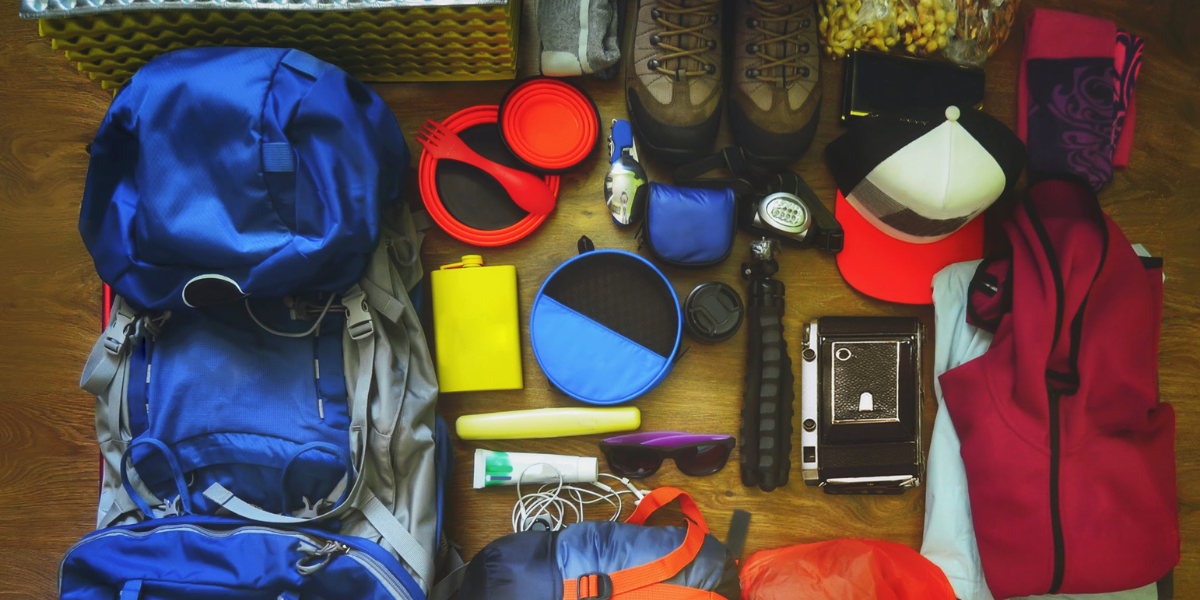
When planning for your PCT hike, remember that your pack will become your home. That tent is your bedroom. Those shoes, your most loyal companions. Most thru-hikers lean toward ultra-lightweight setups and gear. This allows them to carry more food and water for long stretches of wilderness. Ultralight gear can be pretty expensive, though, so balance what you need with what you can afford.
Trail runners tend to be the footwear of choice, but whatever shoes you wear, make sure they’ve seen some miles before you hit the PCT. For clothing, layers are key. Mornings can be frosty, afternoons scorching, and evenings damp with mountain mist. Merino wool, synthetic blends, and a good rain shell will serve you well.
Food, Water, and the Magic of Resupply

Planning meals for months on the PCT is part strategy, part art. You’ll crave lots of calories and learn to love peanut butter and tuna packs in ways you never imagined.
A lot of hikers mail resupply boxes ahead; others wing it and shop in towns or at hiker donation boxes. VVR is a favorite stop for PCT and JMT hikers, offering all of these options, plus some soul-soothing hospitality.
Water is life out there. Know your sources, carry a filter, and always have a backup. Apps like FarOut help, but nothing beats a local’s advice. Especially when that local works at a lakeside resort with decades of trail wisdom.
Training the Body, Tending the Mind

You don’t need to be an ultramarathoner to hike the PCT. People from ages 6-81 have completed this famous trek, but your legs will thank you for some pre-trail conditioning. Wearing your PCT gear on hikes and stair climbs will go a long way in preparing yourself to hike over 2,000 miles.
Just as important as your body is your mindset and mental health. The PCT will test you and has brought many hikers to their knees. Pack your medications, a journal, a playlist, audio books, or a mantra. Keep in mind that sometimes the hardest days often lead to the most beautiful views, and it's okay to cry it out on a rock once in a while.
Planning For Safety On The PCT
Digital navigation apps like FarOut and Gaia GPS are staples. It's also a good idea to carry a personal locator beacon or satellite messenger, just in case. And don’t underestimate the power of a paper map and compass. Being able to navigate, even when your phone is at the bottom of a lake, is huge.
Trail angels, fellow hikers, and places like VVR are also part of your safety net. You’re never truly alone out there.
Final Thoughts from the Lakeshore
Preparing for the PCT is like preparing for a long conversation with nature. You won’t know every twist in the trail, but you’ll learn to listen to your body, to the land, and to the stories shared around camp. If your journey brings you near Edison Lake, we hope you’ll stop by VVR. We’ve got hot meals, soft beds, and plenty of tales to trade.
Until then, happy planning, and may your steps be steady and your spirit light.